

Award-Winning Author Builds Literary Universe Where Crime Fiction Meets Political Drama
March 5, 2026 4 Mins Read

Victoria Bolton has built a distinctive lane in independent publishing: fiction that begins in organized crime and expands into examinations of political influence and institutional control. A recipient of the Readers’ Favorite Book Award in Fiction-Drama and the Pacific Book Award for Crime Fiction, Bolton has earned recognition for blending genres in ways that challenge conventional classification.
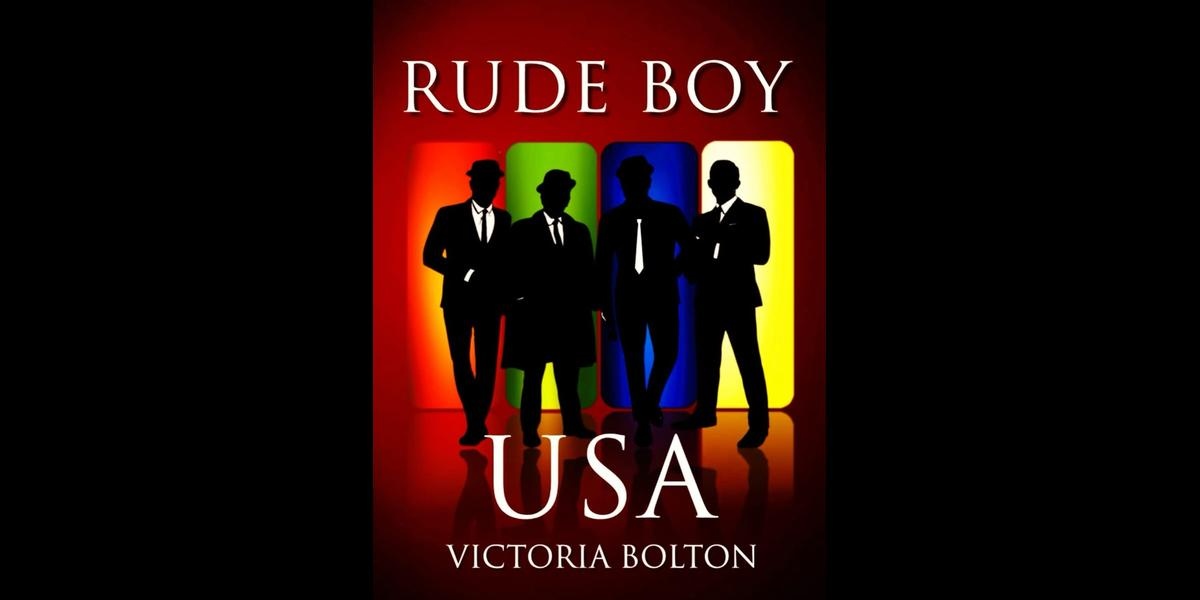
As the creator of the Rude Boy USA trilogy and the Scions of Legacy series, Bolton constructs interconnected narratives that trace themes of power, legacy, loyalty, and public image across generations. Her work does not treat crime and politics as separate arenas. Instead, she presents them as evolving systems, showing how influence shifts from the street to the boardroom and from back-room dealings to institutional authority.
Reaching Readers Beyond Traditional Categories
Bolton’s readership reflects the layered nature of her storytelling. Her audience includes fans of prestige crime fiction, readers of political drama, and professionals who understand institutional dynamics firsthand. Lawyers, policy workers, and politically engaged readers are drawn to the way her fiction explores influence, image management, and structural power.
The crossover appeal is intentional. Bolton writes at the intersection of crime narrative and political analysis, blending character-driven storytelling with examinations of how systems operate beneath the surface.
Scions of Legacy and the Mechanics of Influence
With Scions of Legacy, Bolton fully enters the political arena, using fiction as a lens to examine how special-interest groups and private alliances shape public outcomes. The series explores networks that operate quietly—donor circles, influence organizations, legacy families—entities that rarely appear on a ballot but often shape what does.
Rather than depicting overt conspiracy, Bolton focuses on structural power. In her world, agendas are advanced through narrative framing, strategic partnerships, and reputational pressure. Voting decisions, public perception, and even daily life are influenced by forces most citizens never see directly. The tension lies not in spectacle but in positioning—who gets access, whose story is amplified, and whose is edited.
Sabotage plays a central role. In Scions, it is rarely explosive. It is procedural. A withheld endorsement, a coordinated whisper campaign, or a subtle reshaping of someone’s public identity can alter a career or redirect a legacy. Bolton views these developments as reflective of modern political culture, where trajectories can shift without public confrontation.
She acknowledges that these themes are not purely abstract. “A lot of what I write comes from observation and what I deal with in my daily life as it is happening to me right now,” Bolton has said. “You see how people move, how narratives are built, and how small decisions can change outcomes. Some people feel entitled to determine how successful you can become by blocking your opportunities. Navigating her career independently, she understands how perception and access can affect progress. That awareness informs the series’ emotional undercurrent without turning it into a memoir.
Independent Publishing with Long-Term Vision

Operating independently, Bolton manages both the creative and strategic sides of her career. Her goals include strengthening her presence on various platforms and building a consistent readership across series.
She is also cultivating a presence within BookTok’s literary community, where serialized storytelling and expansive fictional universes resonate strongly with engaged readers.
Commitment to Long-Form Storytelling
Bolton emphasizes long-form narrative fiction that rewards sustained engagement. Her series structure allows themes to deepen over time, inviting readers to follow characters across shifting landscapes of crime, community, and political power.
By allowing her work to evolve from mafia-centered origins into explorations of institutional authority, Bolton has created a cohesive literary universe that examines how influence transforms rather than disappears. The result is a body of work that asks readers to look closely at the systems shaping public life—and to consider how easily a trajectory can change when unseen forces intervene.
 Author Victoria Bolton
Leave a comment